The hidden environmental cost of the internet.
A TEDx talk by Gabriel Dalton, founder of Oasis of Change.
TEDxEcole Mission Secondary · February 2026 · plays from YouTube only when you press play
Why this talk matters
The internet has a footprint — and most people never see it.
Every page load, app session, and AI prompt uses electricity, moves data through global networks, and runs on hardware that someone built and someone has to power. Multiply that by billions of people and the footprint becomes meaningful — comparable in scale to entire industries.
The good news is that digital sustainability is highly fixable. Lighter websites, smarter hosting, efficient code, and more thoughtful AI use can cut emissions and energy use — without giving up the experience. This talk is for students, nonprofits, businesses, and community leaders who want a clear way to think about it.
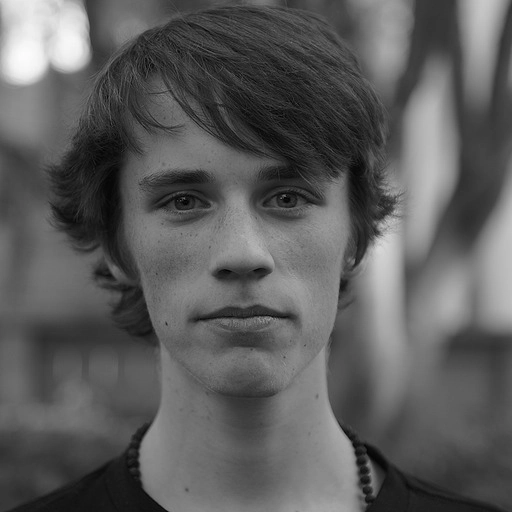
About the speaker
Gabriel Dalton
Gabriel is the founder of Oasis of Change, a Vancouver-based nonprofit focused on digital sustainability and climate-conscious technology. He started coding at 10 and has spent the years since trying to make the invisible parts of the internet visible.
His work has supported Stanley Park Ecology Society, Plastic Bank, and The Dais at Toronto Metropolitan University. In 2025 he received the Youth Impact in Innovation Award at the City of Vancouver Awards of Excellence, and in February 2026 he gave this TEDx talk on why digital sustainability belongs in modern tech and AI literacy.
Read Gabriel's full biographyKey ideas from the talk
Five takeaways you can act on.
-
The internet has an environmental footprint
Data centres, networks, and the devices we browse on all use energy. Every site contributes — but most contributions are invisible.
-
AI makes digital efficiency more important
AI workloads consume large amounts of electricity and water. As AI gets used everywhere, efficiency choices compound quickly.
-
Faster, cleaner websites use less energy
Lighter pages move less data, render faster on older devices, and reduce emissions across the supply chain — and they're better for users.
-
Sustainable tech is part of digital literacy
Knowing how technology uses energy is becoming as fundamental as knowing how to evaluate a source online. It belongs in classrooms.
-
Small organizations can take real steps
Nonprofits, schools, and small teams don't need a huge budget. Better hosting, lighter pages, and clearer choices add up to measurable change.
-
Want the full picture?
Watch the talk to hear the examples, the data, and the practical steps Gabriel walks through.
Watch the TEDx Talk
Oasis of Change
How this talk connects to our nonprofit mission.
Oasis of Change is a registered nonprofit working on digital sustainability education and low-carbon websites. We help nonprofits and community organizations rebuild their sites so they use less energy — and we share what we learn so others can do the same.
- Carbon reduced
- Up to 98%
- Trees funded
- 7,144
- Lifetime CO₂
- ~358,750 kg
Reductions in carbon and energy on selected client website rebuilds.
Planted across 14 countries on 6 continents in fiscal year 2025–2026.
Estimated CO₂ offset over the lifetime of trees planted in 2025–2026.
This page is educational content from Oasis of Change, Inc., a registered nonprofit. We do not sell anything from this page.
Watch & share
Help more people see the hidden side of the internet.
If this talk resonates, share it with a school, a nonprofit, a technology team, or a community group. Digital sustainability moves faster when more people understand it.
Related resources
Keep going after the talk.
Education
Digital sustainability blog
Practical articles on website carbon, sustainable web design, and AI's energy footprint.
Read articles →Subsidiary
Web-Ready
Sustainable website development for nonprofits, communities, and mission-driven organizations.
Learn about Web-Ready →Project
Web-Ready Access
Helping nonprofits build accessible, lower-carbon websites and access in-kind digital grants.
See the platform →Accountability
Impact dashboard
Live data on the carbon, energy, and tree-planting impact across all of our initiatives.
Open dashboard →Project
Sustainable Technology Week
A week of programming exploring sustainable technology, digital literacy, and innovation.
View the program →Speaking & partnerships
Invite Gabriel to speak
For schools, nonprofits, conferences, and community events on digital sustainability and AI.
Get in touch →Frequently asked
Digital sustainability, in plain language.
What is digital sustainability?
Digital sustainability is the practice of designing, building, and using digital products in ways that reduce energy use, carbon emissions, and resource consumption. It includes choices about hosting, page weight, image and video efficiency, code quality, and the data centres that power AI and the internet.
Why does website carbon impact matter?
The internet uses electricity at every step — data centres, networks, and the devices people browse on. Heavier websites move more data, which uses more energy. Faster, lighter sites are not only better for users; they also reduce the emissions associated with delivering the page.
How does AI affect energy and water use?
Training and running AI models requires large amounts of electricity, and the data centres that host them rely on water for cooling. As AI is built into more everyday tools, the cumulative energy and water footprint grows, which is why digital efficiency is becoming a meaningful part of climate-conscious technology.
How can nonprofits make their websites more sustainable?
Nonprofits can move to green hosting, optimise images and video, remove unused scripts and trackers, and design lighter pages with strong accessibility. Oasis of Change supports nonprofits with practical guidance and rebuilds — selected projects have reduced carbon and energy impact by up to 98%.
What is Oasis of Change?
Oasis of Change is a Vancouver-based nonprofit focused on digital sustainability, sustainable technology education, and low-carbon websites. It also runs a reforestation program — 7,144 trees were funded across 14 countries in fiscal year 2025–2026.
Who is Gabriel Dalton?
Gabriel Dalton is the founder of Oasis of Change and a youth advocate for digital sustainability. He has worked with Stanley Park Ecology Society, Plastic Bank, and The Dais at Toronto Metropolitan University, and received the 2025 Youth Impact in Innovation Award from the City of Vancouver.
Can I share this TEDx talk with my school or organization?
Yes. The talk is freely available on YouTube and is intended for educational use. Schools, nonprofits, technology teams, and community groups are welcome to share it, screen it, or use it as a discussion starter on digital sustainability and AI literacy.