2025–2026 Annual Report
Building a more sustainable digital future — a year of expanded reforestation, measurable reductions in website emissions, responsible hardware retirement, and youth-led advocacy for sustainable and ethical technology.
Report details
Fiscal year
2025–2026
Organization
Oasis of Change, Inc.
Format
Web summary
Year in numbers
7,144
Trees planted this year
A 958% year-over-year increase across 14 countries on 6 continents.
~360,000 kg
CO₂ offset, reforestation
Estimated lifetime carbon impact of this year's plantings, a 963% year-over-year increase.
Up to 98%
Digital emissions cut
Reductions in carbon and energy use achieved on client website projects.
516 kg
CO₂e, hardware recycling
Emissions avoided by responsibly recycling two end-of-life laptops to DoD 5220.22-M standards.
Contents
Year in review
The 2025–2026 fiscal year marked a major step forward for Oasis of Change — expanded reforestation across more countries, dramatic reductions in the footprint of partner websites, responsibly retired end-of-life technology, and youth-led advocacy for sustainable and ethical technology.
Letter from the Founder
Building a More Sustainable Digital Future
This year marked a major step forward for Oasis of Change.
When I founded Oasis of Change, I did so because I believed sustainability had to include the digital world. Too often, people think of emissions only in physical terms, while overlooking the environmental cost of websites, online systems, data transfer, and digital infrastructure. Our mission is simple but urgent: to promote digital sustainability and help build a future where technology supports both people and the planet.
In 2025–2026, that mission continued to take shape in powerful ways. We expanded our reforestation impact across more countries, helped organizations significantly reduce the footprint of their websites, responsibly retired end-of-life technology, and advanced youth-led advocacy around sustainable and ethical technology. What makes me most proud is not only the scale of what we accomplished, but the principle behind it: that meaningful change can begin with a small organization, a clear vision, and the willingness to act early on issues others are only beginning to notice.
I am deeply grateful to everyone who supported Oasis of Change this year — our board, partners, clients, supporters, and community. Thank you for believing that digital sustainability matters, and for helping turn that belief into measurable impact.
— Gabriel Dalton, Founder and President
Digital sustainability is no longer optional. It is part of what responsible leadership looks like in a connected world.
Who We Are
A youth-led nonprofit for the digital age
Oasis of Change, Inc. is a federal not-for-profit corporation based in Vancouver, British Columbia. Founded in March 2024 by Gabriel Dalton, the organization exists to promote digital sustainability through practical action, public education, and measurable environmental impact.
Our work sits at the intersection of technology and sustainability. We help organizations reduce the environmental footprint of their digital presence, support reforestation efforts around the world, and advocate for a more responsible approach to innovation. In a world where more of life happens online, we believe sustainability must extend to the systems, platforms, and infrastructure people use every day.
At its core, Oasis of Change is built on a simple idea: digital progress should not come at unnecessary environmental cost. By improving website efficiency, supporting ecosystem restoration, and helping shape public conversations about sustainable technology, we are working to ensure the future of innovation is cleaner, smarter, and more accountable.
Board of Directors
- Catherine Longul
- Nigel Phillips
2025–2026 Impact by the Numbers
A year of measurable growth
- 7,144 trees planted in the 2025–2026 fiscal year
- 14 countries reached across 6 continents
- 14 different tree species planted
- ~360,000 kg of CO₂ offset through reforestation this year
- 958% year-over-year increase in trees planted
- 963% year-over-year increase in carbon impact
- Up to 98% reductions achieved in website carbon emissions and energy use
- 2 end-of-life laptops responsibly recycled — 516 kg CO₂e avoided through hardware recycling alone
- 1 million trees by 2030 long-term goal
This year's numbers reflect more than growth. They reflect a model that connects digital efficiency, ecosystem restoration, and youth leadership into one integrated approach. As digital infrastructure continues to expand globally, so does the need for organizations that can translate sustainability from an abstract value into practical action. Data centres and data transmission networks each account for roughly 1 to 1.5 percent of global electricity use, which is one reason digital efficiency matters more each year.
Key Initiatives
Several projects and initiatives were active or in development during the 2025–2026 fiscal year. These included sustainable web development work, public education efforts related to digital sustainability, transparency and impact reporting, and the advancement of mission-aligned projects designed to support long-term public benefit.
The year included progress on project pages and supporting infrastructure for the following initiatives:
Sustainable web
Web-Ready
Sustainable website development and digital strategy for mission-driven organizations.
Research & leadership
VCASSE
The Vancouver Centre for AI Safety, Sustainability and Ethics, advancing responsible technology leadership.
Public programming
Sustainable Technology Week
A focused week of programming exploring sustainable technology, innovation, and culture.
Nonprofit access
WRA Platform
Helping nonprofits build accessible, lower-carbon websites and access digital grants.
Reforestation: Roots Across the World
Local leadership, global restoration
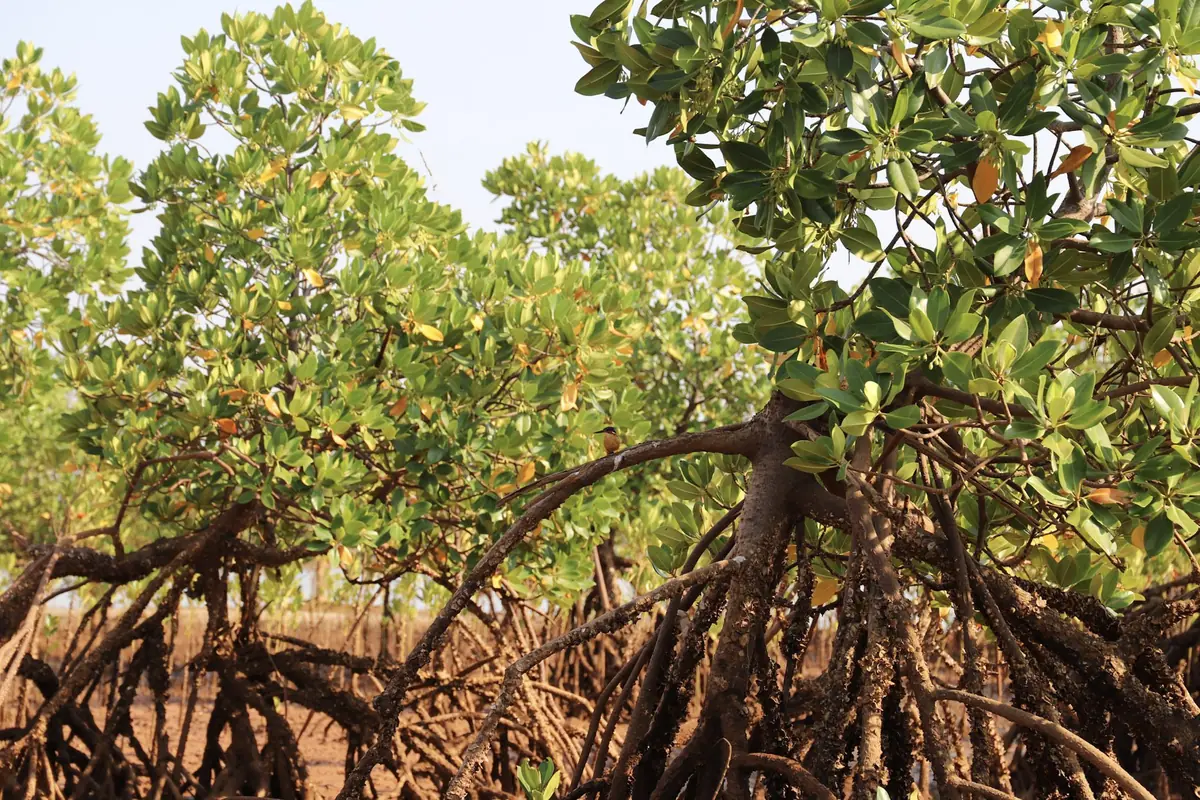
In 2025–2026, Oasis of Change planted 7,144 trees across 14 countries on 6 continents, helping offset nearly 360,000 kg of CO₂. That represents a 958% increase in trees planted and a 963% increase in carbon impact in just one year.
Our work this year reached: Tanzania, Canada, Mexico, Bolivia, Nigeria, Brazil, Romania, Zimbabwe, Ireland, France, Australia, Spain, Argentina, and the United Kingdom.
Our core project — restoring a burnt forest in the Usambara region of Northern Tanzania — accounted for 98.8% of all the trees we planted in our 2025–2026 fiscal year. Our Boreal Forest restoration project in Manitoba brought our mission home to Canada for the first time.
Across these projects, we planted 14 different tree species — from Mango trees in Zimbabwe, to the endangered African Yellowwood in Tanzania, to Silk Floss trees in Bolivia.
This work matters because forest loss remains one of the defining environmental challenges of our time. The FAO has estimated global deforestation at about 10 million hectares per year in the 2015–2020 period, while more recent monitoring has shown severe tropical primary forest loss continuing at alarming levels. Reforestation alone is not a substitute for protecting existing forests, but it is an important part of restoring degraded land, rebuilding biodiversity, and strengthening long-term carbon sequestration capacity.
Spread across multiple countries and regions, this impact reflects a broader philosophy: environmental responsibility should be global in outlook, even when it begins locally.
Allocation framework
How we allocate planting: the CORE / Pilot model
Oasis of Change directs reforestation funding through a two-tier framework designed to balance concentrated, high-impact restoration with broad global learning. Every tree planted is tagged to one of three streams so that impact is traceable and the mix can be tuned each year.
Deep, sustained restoration
One flagship project receives the majority of annual funding. CORE sites are chosen for ecological urgency, credible local partners, and measurable long-term carbon and biodiversity outcomes. In 2025–2026, the CORE site was the burnt Mkussu Forest in Tanzania, which accounted for roughly 98.8% of trees planted.
Domestic & grant-aligned work
A smaller, strategically placed tier combining Pilot planting with targeted grant funding. It supports projects with institutional backing or local relevance, such as the Boreal Forest Habitat Restoration in Manitoba, bringing the mission home to Canada for the first time.
Global reach & learning
Small symbolic plantings across many countries and species. Pilots extend Oasis of Change's footprint across continents, test partner reliability, diversify species and ecosystems, and generate the reporting data needed to decide where future CORE investment should flow.
This model keeps most funding concentrated where it creates the deepest ecological impact, while still ensuring that every continent we reach contributes to the organization's learning and long-term partner pipeline.
Planting allocation
Breakdown of trees planted in 2025–2026 by project, country, species, and estimated lifetime CO₂ sequestration.
| Project | Country | Stream | Species | Trees | CO₂ (kg) |
|---|---|---|---|---|---|
| Replanting the Burnt Mkussu Forest | Tanzania | CORE | Afrocarpus usambarensis | 7,057 | 352,850 |
| Boreal Forest Habitat Restoration | Canada | Grant + Pilot | Pinus banksiana | 62 | 3,100 |
| Restoration and Social Empowerment | Mexico | PILOT | Prosopis laevigata | 3 | 60 |
| Amazon Windshields | Bolivia | PILOT | Ceiba speciosa | 2 | 1,000 |
| Restoration of Ala Forest Reserve | Nigeria | PILOT | Acacia mangium | 2 | 500 |
| Reforest the Amazon Basin | Brazil | PILOT | Schizolobium amazonicum | 2 | 500 |
| Bear Groves in Transylvania | Romania | PILOT | Fagus sylvatica | 2 | 300 |
| Zimbabwe Reforestation Initiative | Zimbabwe | PILOT | Mangifera indica | 2 | 100 |
| Ireland Community Tree Planting | County Clare, Ireland | PILOT | Quercus petraea | 2 | 200 |
| Bosques de Agua | Argentina | PILOT | Polylepis australis | 2 | 40 |
| Restauration Forêts Dégradées | France | PILOT | Pinus nigra | 2 | 20 |
| Big Scrub Rainforest Restoration | Australia | PILOT | Solanum aviculare | 2 | 40 |
| Community Tree Planting | United Kingdom | PILOT | Prunus spinosa | 2 | 20 |
| AlVelAl | Spain | PILOT | Pistacia lentiscus | 2 | 20 |
| Total | 14 countries | 14 species | 7,144 | 358,750 |
Stat
7,144 trees. 14 countries. 6 continents. ~358,750 kg of CO₂ offset in a single year.
Explore the impact
See every tree, site, and species we've planted.
Browse live planting data, carbon estimates, species information, and on-the-ground photography from our partner reforestation sites.
View the Transparency Dashboard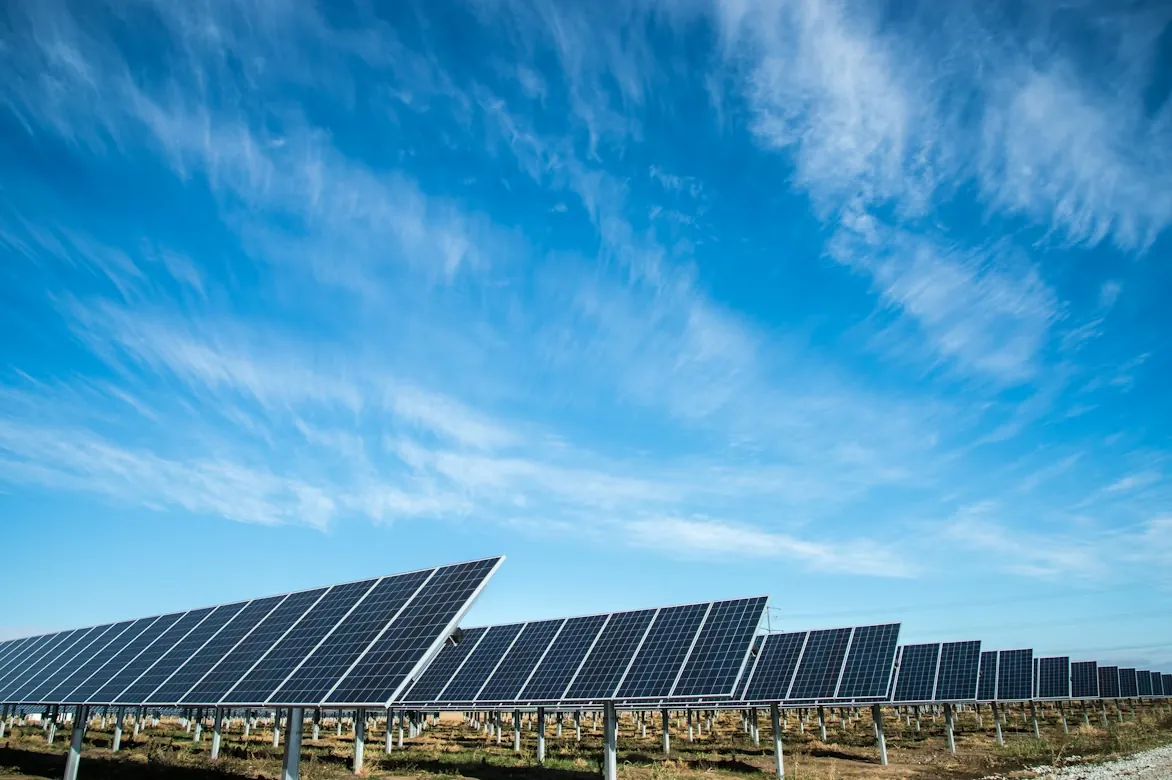
Digital Sustainability: Greening the Web
Efficiency is environmental action
A major part of Oasis of Change's work this year focused on helping organizations reduce the environmental cost of their websites and digital platforms. Through strategies such as image optimization, cleaner code, more efficient asset delivery, and greener infrastructure decisions, Oasis of Change helped achieve reductions of up to 98% in carbon emissions and energy use on client websites.
This matters because website emissions are real, even if they are often invisible. Every page load requires electricity across servers, data networks, and user devices. Widely used web carbon methodologies estimate emissions based on data transfer, hosting energy, network use, and device consumption. In other words, websites are not environmentally neutral simply because they are digital. At scale, inefficient sites contribute to unnecessary resource use every day.
One of this year's clearest lessons came from the Mittler Senior Tech project. Oasis of Change achieved a 90% reduction in carbon emissions and energy use on the platform. The key takeaway was striking: the site was already running on renewable energy, yet it still carried a large digital footprint because its code and images were inefficient. This reflects a broader misunderstanding in the sustainability space. Green hosting matters, but it is not enough on its own. If a website is bloated, unoptimized, and resource-heavy, it still drives unnecessary energy use across networks and devices. The Green Web Foundation and carbon-accounting frameworks both reinforce this distinction: cleaner electricity helps, but efficient digital design is what compounds impact over time.
This same principle helps explain the value of long-term sustainability partnerships. For clients like Denman Place Mall, digital sustainability is not a one-time fix. Websites evolve constantly through new campaigns, images, features, and third-party tools. Without ongoing stewardship, gains can be lost. Monthly retainer relationships allow sustainability improvements to compound over time, protecting performance and reducing waste continuously rather than temporarily. Denman Place Mall's role as a long-standing Vancouver neighbourhood commercial hub also shows that digital sustainability is not reserved for major tech companies. It belongs in community-serving institutions too.
Stat
Up to 98% reduction in digital emissions through sustainable web strategies.
Renewable hosting is important. Efficient code is what makes sustainability real.
E-Waste Responsibly Retired
Responsible technology includes end-of-life care
In September 2025, Oasis of Change responsibly recycled two end-of-life laptops — an Asus E200HA and an HP EliteBook 840 G1 — in accordance with DoD 5220.22-M data destruction standards. An estimated 516 kilograms of CO₂e was avoided through this hardware recycling alone, separate from the reforestation impact reported above.
This initiative took place against the backdrop of a growing global e-waste crisis. According to the Global E-waste Monitor 2024, the world generated 62 million tonnes of e-waste in 2022, while only 22.3% was formally collected and recycled. That gap matters. Improper disposal can release hazardous substances into the environment, while responsible recycling helps recover valuable materials, reduce pollution risk, and limit the need for additional raw extraction.
Proper data destruction matters just as much as proper recycling. For organizations handling client information, end-of-life hardware is both an environmental and a security issue. Media sanitization standards exist because deleting files is not the same as securely destroying recoverable data. By treating hardware retirement as a trust and stewardship issue, nonprofits can lead by example and show that sustainability includes accountability from beginning to end.
Youth Advocacy & Recognition
A youth voice in sustainable technology
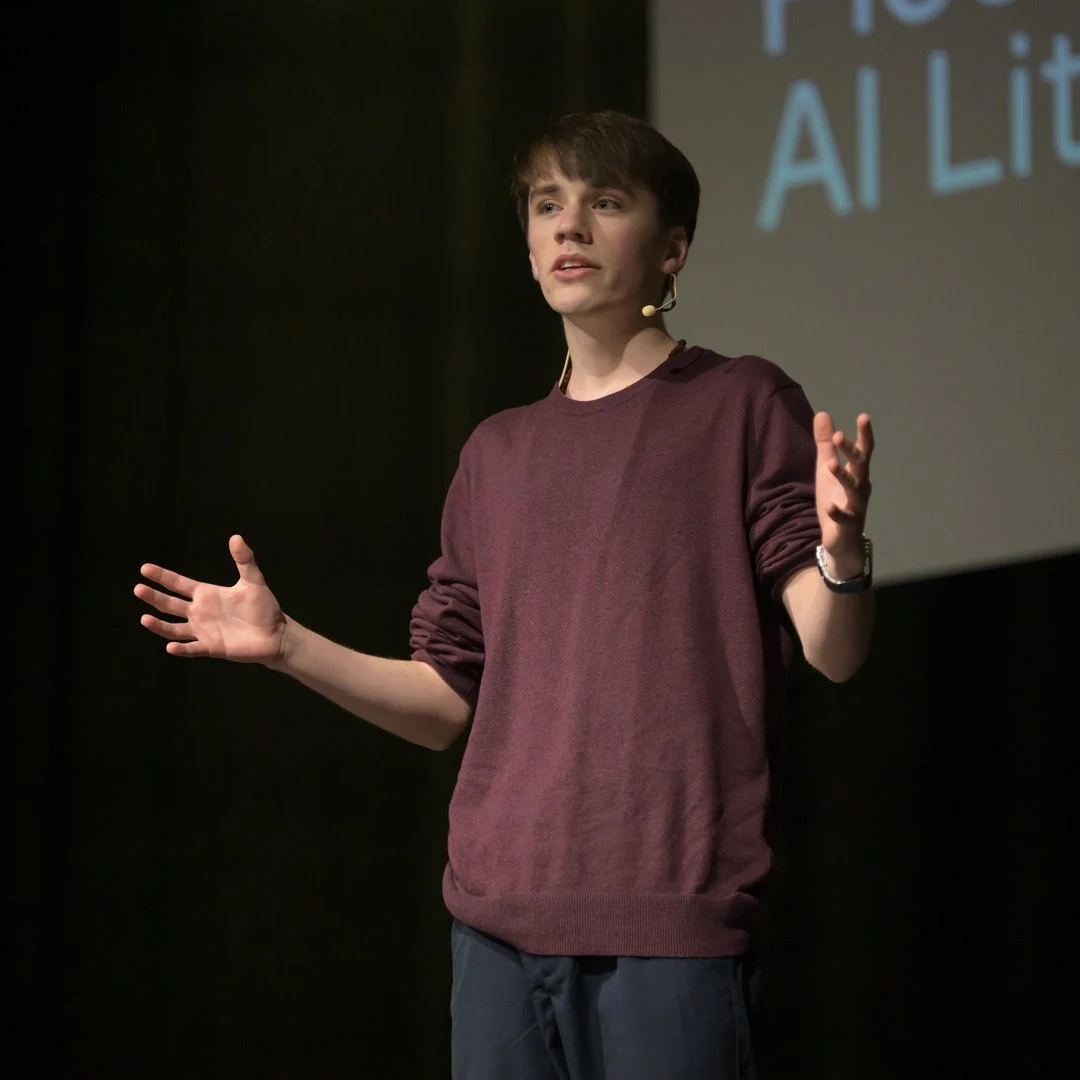
This year, Oasis of Change's work also received meaningful public recognition. Gabriel Dalton was recognized with the Youth Impact in Innovation Award through the City of Vancouver's 2025 Awards of Excellence, and a proclamation established Sustainable Technology Week in Vancouver from October 20 to 27, 2025. A Vancouver School Board story on the recognition highlighted Oasis of Change's role in advancing sustainable web design, digital practices, and youth-led climate action.
Gabriel was also listed as a speaker at TEDxEcole Mission Secondary in February 2026, where the event identified him as Founder of Oasis of Change and highlighted his work helping organizations reduce digital emissions, secure in-kind technology grants, and support tree planting across more than 20 countries. That kind of platform matters. It reflects a growing recognition that young people should not simply inherit technology systems — they should help shape the ethics, literacy, and sustainability standards that govern them.
Youth-led advocacy is especially important as AI, digital infrastructure, and online systems become more central to daily life. These technologies are expanding quickly, and so are their environmental and ethical implications. When young leaders are included in those conversations, they bring urgency, long-term thinking, and a lived understanding of how digital systems shape education, community, and the future.
Stat
2025 Youth Impact in Innovation Award recipient.
Learnings from the Year
What 2025–2026 taught us
A year of doing the work is also a year of sharpening our understanding of it. The projects we delivered, the partners we worked with, and the data we collected all pointed toward a consistent set of lessons about what meaningful digital sustainability looks like in practice.
Lesson 01
Renewable hosting is not the same as a sustainable website.
The Mittler Senior Tech project showed this clearly. The site was already running on green hosting, yet its carbon and energy footprint was still large because of unoptimized images, heavy page weight, and inefficient code. Switching hosting is a one-time choice. Efficient code compounds every single page load.
Lesson 02
Concentrated investment beats spread-thin good intentions.
Our CORE site in Tanzania accounted for roughly 98.8% of this year's trees. Pilot plantings in 13 other countries kept our reach global, but the depth of impact came from funding one site seriously. Partnership strength matters more than the number of flags on a map.
Lesson 03
Sustainability needs stewardship, not a single launch.
Websites drift. New images, features, and third-party scripts quietly rebuild the footprint that was cut at launch. Long-term retainer relationships like Denman Place Mall let sustainability gains compound instead of eroding, which is why ongoing partnership is now central to how Web-Ready operates.
Lesson 04
Hardware retirement is a sustainability issue and a trust issue.
Retiring two end-of-life laptops to DoD 5220.22-M standards this year reinforced that responsible hardware disposal sits at the intersection of environmental impact and client trust. Deleting files is not the same as destroying recoverable data, and that distinction matters for every nonprofit handling supporter information.
Lesson 05
Transparency is what turns a number into a commitment.
Publishing our reforestation data live at impact.oasisofchange.com changed how the work reads to supporters. It is no longer an annual claim but a running, species-level, site-level record. Building for public accountability made our reporting more rigorous internally too.
Lesson 06
Youth voice adds urgency to sustainability conversations.
Recognition from the City of Vancouver and the TEDxEcole Mission Secondary platform confirmed that young leaders are not only welcome in the sustainable technology conversation, they are needed in it. The systems being built now will shape the futures they inherit.
Looking Ahead: 2026–2027
Scaling what works
As Oasis of Change looks ahead, the next chapter is about scale, depth, and clarity. The organization will continue growing its reforestation impact, advancing its long-term goal of planting 1 million trees by 2030, and expanding the reach of its digital sustainability services. At the same time, it aims to deepen public education around what digital sustainability actually means in practice: efficient websites, responsible infrastructure, better technology choices, and measurable accountability.
The year ahead also presents an opportunity to strengthen the bridge between sustainability and innovation. As digital systems continue to expand, organizations will need more guidance on how to reduce waste without sacrificing performance, accessibility, or growth. Oasis of Change is well positioned to help lead that shift by showing that sustainability can be designed into technology from the start.
The work ahead is ambitious, but the direction is clear. The future will not become sustainable by accident. It will become sustainable because people choose to build it that way.
Thank You
To everyone helping build this work
Oasis of Change would like to thank its board, clients, collaborators, community supporters, and everyone who helped strengthen this work in 2025–2026.
Thank you to those who believed in a mission that is still emerging in the public imagination but increasingly necessary in the real world. Thank you to the organizations that trusted Oasis of Change with meaningful sustainability work. Thank you to the mentors, advocates, and institutions that helped amplify youth leadership in this space.
Most of all, thank you for helping prove that digital sustainability is not a niche idea. It is a practical, scalable, and urgently needed part of building a better future.
A greener future must include a greener internet.